
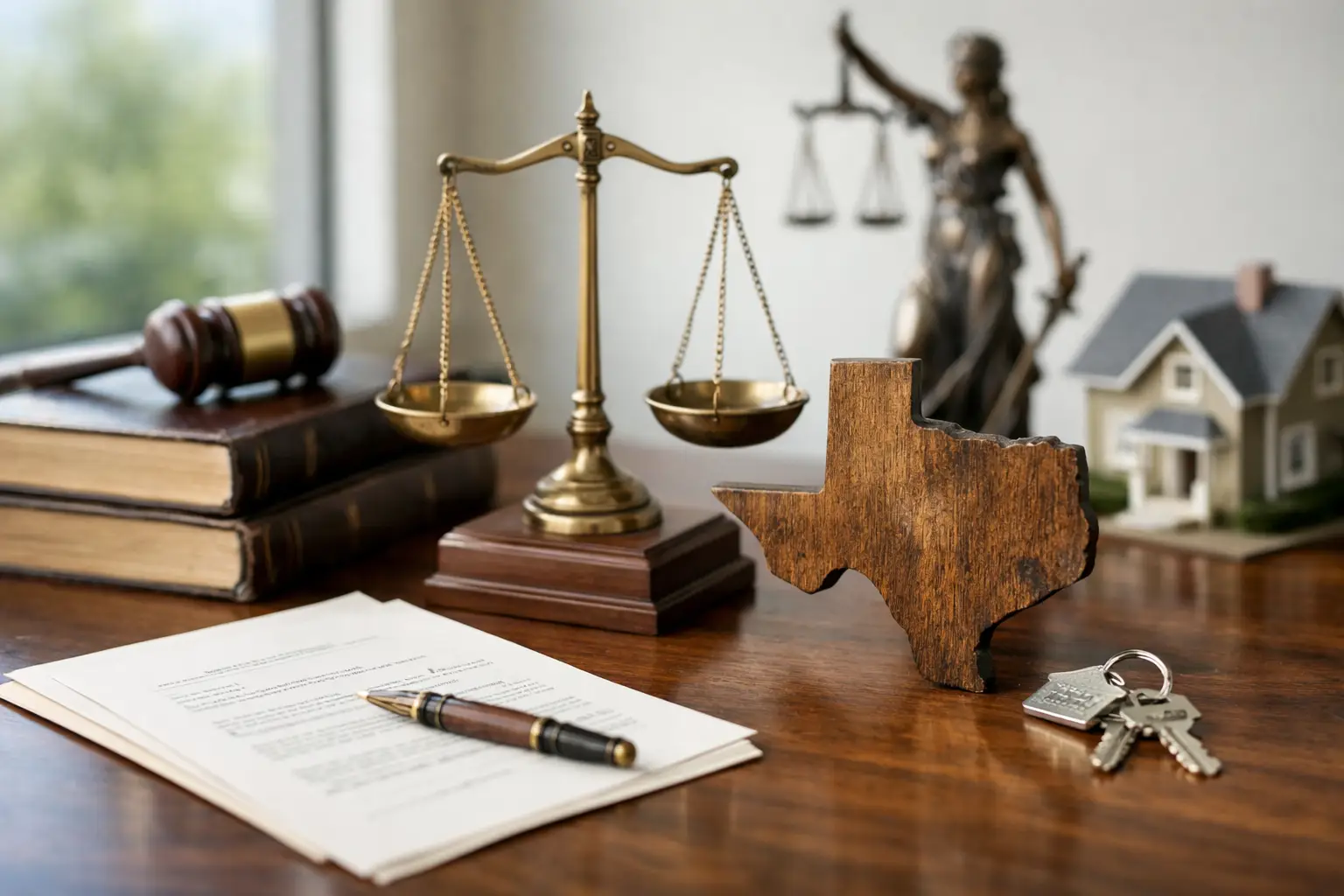
When someone you love dies, legal paperwork can feel like one more burden at the worst possible time. Learning how to probate a will Texas families can rely on starts with understanding a simple fact: probate is the court process used to confirm a will, appoint the person responsible for the estate, and allow assets to pass to the right people.
A will does not automatically give an executor authority to access bank accounts, sell property, or transfer title after death. In many cases, the probate court must first recognize the will and issue legal authority. Texas offers a relatively efficient probate process in many estates, particularly where the will calls for independent administration. Still, missed deadlines, an unavailable original will, creditor issues, or family disagreements can change the course of the case quickly.
How to Probate a Will in Texas: The First Steps
The process generally begins by locating the original signed will. A photocopy may create additional legal hurdles, so do not assume a copy will be enough. Keep the original secure, and do not write on it, remove staples, or make changes to the document.
Next, identify the county where the probate case should be filed. Usually, this is the county where the deceased person lived at the time of death. If they lived outside Texas but owned property in Texas, the proper county may depend on where that property is located.
The person named as executor in the will is often the person who applies to probate it. If that person cannot or will not serve, the court may appoint another qualified person. Before filing anything, it helps to gather the death certificate, the original will, a preliminary list of assets and debts, and the names and addresses of beneficiaries and close family members.
Texas generally requires a will to be offered for probate within four years after the date of death. Waiting can create serious problems. A court may still allow probate after that deadline in limited situations, but the applicant may need to show they were not at fault for the delay. Acting early protects the estate and reduces uncertainty for the family.
Filing the Probate Application
Probate begins with an application filed in the appropriate Texas probate court. In some counties, the county court handles probate matters; in others, a statutory probate court or county court at law may have jurisdiction. The filing asks the court to admit the will to probate and appoint an executor or administrator.
The application must accurately identify the deceased person, the will, the proposed executor, known heirs, and other information required by Texas law. Accuracy matters. A wrong address, incomplete family information, or unclear description of the estate can delay the hearing.
After the application is filed, the county clerk posts a legal notice called a citation. The posting period gives the public and interested parties notice that a probate case has been opened. In most routine cases, the court hearing cannot occur until at least 10 days after the citation is posted.
This is not usually a process that requires every beneficiary to agree in writing. However, a person who believes the will is invalid, was signed under pressure, or does not reflect the deceased person’s wishes may file a contest. When conflict is possible, getting legal guidance before the first hearing can help protect the estate and prevent an avoidable mistake from becoming a larger dispute.
What Happens at the Probate Hearing?
At the hearing, the judge reviews whether the court has jurisdiction and whether the will should be admitted to probate. The court will also consider whether the proposed executor is qualified to serve.
Many Texas wills are self-proved. That means the will includes a properly completed affidavit signed before a notary at the time the will was executed. A self-proved will can usually be admitted without bringing in the witnesses who watched the person sign it.
If the will is not self-proved, the court may need testimony or other evidence showing it was properly executed. That can be more difficult when the witnesses have moved away, become unavailable, or passed away. A lost original will, handwritten will, or document with visible changes may also require additional proof.
If the judge admits the will, the court signs an order appointing the executor. Before receiving authority, the executor may need to take an oath and, in some cases, post a bond. Once those requirements are met, the clerk can issue Letters Testamentary. These letters are the official documents that allow the executor to act for the estate.
Independent and Dependent Administration
The type of administration matters because it determines how closely the court supervises the executor.
Many wills in Texas authorize independent administration. With independent administration, the executor generally has more freedom to handle estate business without returning to court for approval at every stage. This can reduce cost, delay, and unnecessary court involvement. Even so, the executor still owes duties to beneficiaries, creditors, and the estate itself.
A dependent administration involves more court oversight. The executor or administrator may need court permission before selling property, paying certain claims, or taking other significant steps. This form of administration can be appropriate in certain circumstances, but it often takes more time and can involve greater expense.
The will’s language, the family’s circumstances, the nature of the assets, and any disputes can affect which path applies. Do not assume that naming someone as executor settles every question. The court must still determine whether that person is legally qualified and whether the requested administration is proper.
Duties After the Executor Is Appointed
Receiving Letters Testamentary is the beginning of the executor’s work, not the end. The executor must protect estate property, identify assets and debts, and follow the duties imposed by Texas law and the will.
Common responsibilities include notifying known creditors, arranging required public notice to creditors, preparing an inventory and appraisal of estate property, collecting money owed to the estate, and keeping estate funds separate from personal funds. In many independent administrations, the executor must file an inventory, appraisement, and list of claims within 90 days after qualifying, unless the court approves an alternative filing.
The executor may need to manage a home, vehicles, bank accounts, retirement benefits, business interests, mineral rights, or other property. Some assets pass outside probate, such as life insurance with a named beneficiary, payable-on-death accounts, and property held with a valid right of survivorship. Those assets may not be controlled by the will, even if the will mentions them.
Debts must also be handled carefully. The executor should not distribute all estate money immediately simply because beneficiaries are asking for it. Valid debts, taxes, administration costs, and creditor claims may need to be addressed first. Distributing property too early can leave the executor personally exposed if estate obligations remain unpaid.
When a Different Texas Probate Option May Work
Not every will requires a full administration. Texas law may allow a will to be admitted as a muniment of title when there are no unpaid debts other than secured debts and no need for a full estate administration. This option can establish ownership of real property or other assets without appointing an executor for ongoing administration.
A muniment of title can be useful in the right estate, but it is not automatically the least expensive or best choice. If the estate has creditors, active accounts, assets that must be sold, or business that needs attention, a full administration may be necessary.
Families sometimes also ask about small-estate affidavits. That process is generally used when someone dies without a will and the estate meets specific legal requirements. It is not a substitute for probating a valid will.
When to Ask for Help
Probate may be straightforward when there is a clear, self-proved will, a willing executor, cooperative beneficiaries, and modest assets. It becomes more complicated when there is a blended family, a second marriage, real estate in multiple states, unpaid debts, a missing will, or concern that someone may challenge the document.
For families in Texarkana, Atlanta, and surrounding East Texas communities, prompt legal advice can help preserve options before deadlines or disputes narrow them. The Law Office of Derric McFarland can review the will, explain the likely probate path, and help you take the next step with care.
You do not have to solve every estate question before making the first call. Start by protecting the original will, gathering the available records, and getting clear guidance before estate decisions become harder to undo.
