
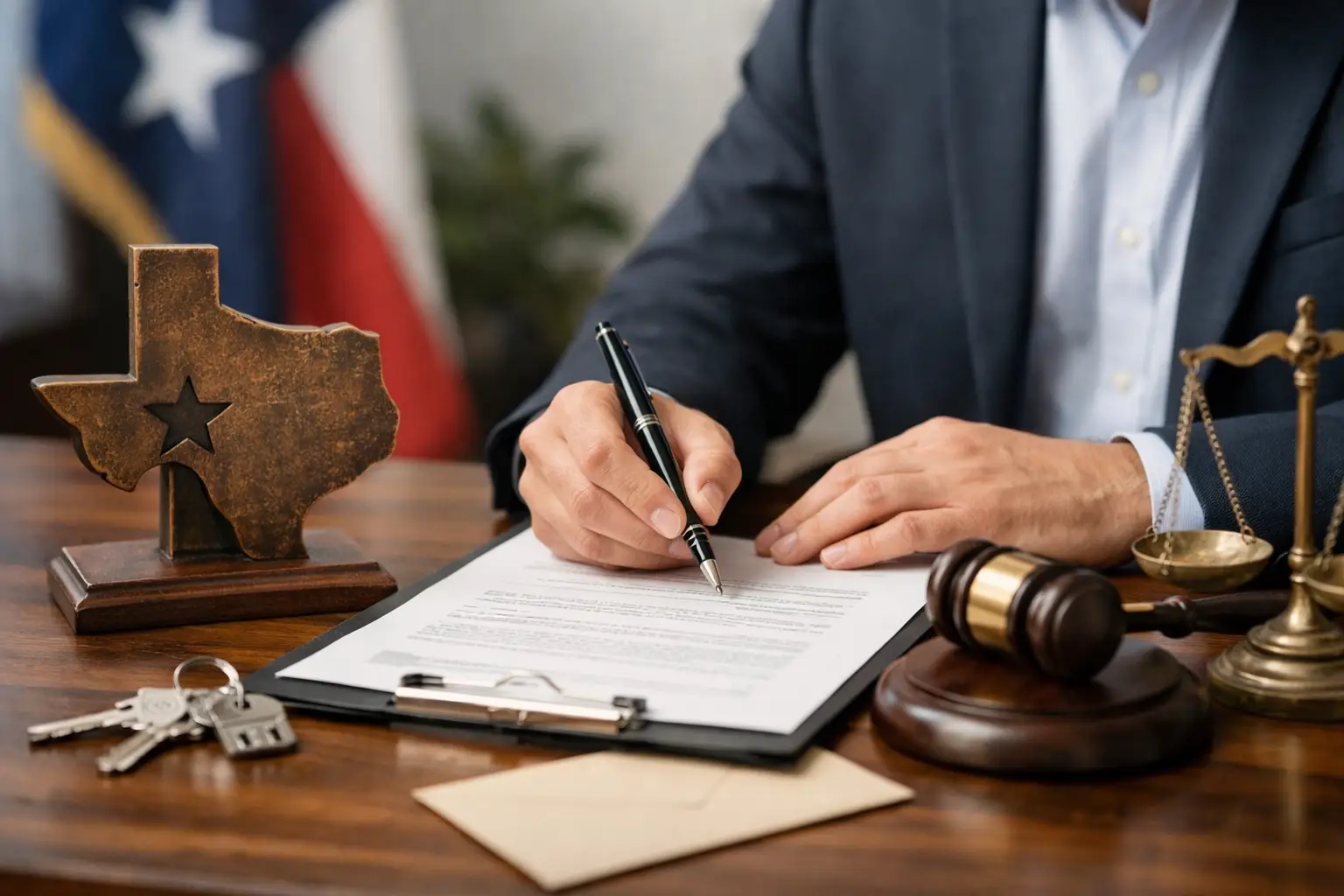
A will is not only for retirees or people with substantial wealth. It is a clear set of instructions for the people you love when they may already be carrying grief and uncertainty. Knowing how to create a will in Texas can help you name who should receive your property, who should handle your affairs, and who should care for your children if the unthinkable happens.
Texas has specific rules for making a valid will. A document that expresses your wishes can still create serious problems if it is signed incorrectly, unclear, outdated, or inconsistent with the way your accounts and property are titled. Taking time to prepare a careful plan now can spare your family avoidable conflict later.
Start With the Decisions Your Will Needs to Make
Before writing anything, make a practical picture of your family, property, and responsibilities. Your will should identify the people or organizations you want to receive your property and what each should receive. That may include a house, land, vehicles, bank accounts, personal items, business interests, and other assets that pass through your estate.
You should also choose an executor. This is the person who will gather estate property, address debts, work through probate when needed, and distribute property under the will. Choose someone responsible, organized, and likely to be able to serve. Many people name an alternate executor in case their first choice cannot act.
For parents of minor children, a will can also nominate a guardian. The court makes the final appointment based on the child’s best interests, but a thoughtful nomination gives the court important guidance about your wishes. Speak with the person you intend to name before putting that responsibility in a will. Consider naming an alternate guardian as well.
Your choices do not have to be divided equally to be valid. Still, unequal gifts can create hard feelings if the document does not clearly state what you intend. A clear explanation is not always necessary, and private family details do not belong in every will, but ambiguity is rarely helpful.
How to Create a Will in Texas That Meets Legal Rules
To make a valid Texas will, the person making it generally must be at least 18 years old, married, or a member of the armed forces. They must have testamentary capacity, meaning they understand they are making a will, recognize the general nature of their property, and understand who would normally receive it.
Texas recognizes more than one type of will. The most common is an attested will, which is a written will signed by the person making it and witnessed by at least two credible witnesses who are at least 14 years old. The signing process matters. The witnesses should sign in the testator’s presence after the testator signs or acknowledges the will.
Texas also recognizes a holographic will. This type of will must be entirely in the testator’s own handwriting and signed by the testator. It does not require witnesses. Although a handwritten will may be valid, it can lead to disputes over meaning, handwriting, capacity, or whether the document was intended to serve as a final will. For many families, a properly prepared and witnessed will provides more certainty.
A notary does not replace the two witnesses required for a typical written will. However, a self-proving affidavit, usually signed before a notary along with the required parties, can make probate easier because witnesses may not need to appear in court later to verify the will. This affidavit is highly useful, but it does not fix a will that was improperly executed in the first place.
Be Careful With Property That Does Not Pass Under a Will
A will controls only property that belongs to your probate estate. Some of the most valuable assets a person owns may pass outside the will because of a beneficiary designation, survivorship agreement, trust, or transfer-on-death arrangement.
Life insurance, retirement accounts, payable-on-death bank accounts, and transfer-on-death investment accounts commonly go to the named beneficiary. If your will leaves everything to your daughter but an old retirement account still names a former spouse, the account designation may control. Review these documents together rather than assuming one estate-planning document covers every asset.
Texas community-property rules also deserve attention. Married couples may own community property, separate property, or both. A spouse cannot give away more than that spouse’s share of community property through a will. Property owned before marriage, inheritances, gifts, and certain personal-injury recoveries may be separate property, but identifying and tracing ownership can become complicated.
A person who owns a home, land, a small business, blended-family assets, or property in more than one state should be especially careful. These situations do not mean a will is impossible. They mean the document should reflect the actual legal and financial picture rather than a generic form’s assumptions.
Make Your Instructions Specific Enough to Follow
Good wills use clear names, clear gifts, and a clear plan for what happens if someone dies before you. Instead of writing “my car,” identify the vehicle where practical. Instead of naming “my children,” consider whether that includes stepchildren, adopted children, children born later, or a child who has died leaving children of their own.
A residue clause is also valuable. This provision states who receives everything not specifically listed in the will. Without one, an overlooked bank account, refund, personal item, or later-acquired asset may pass under Texas intestacy laws rather than according to your broader wishes.
Consider what should happen if a beneficiary is young, has creditor concerns, receives public benefits, or may not be ready to manage a substantial inheritance. Leaving money directly to a minor can require a court-supervised guardianship. In some circumstances, a trust or another arrangement may better protect the child and give a trusted adult authority to manage funds responsibly.
Avoid Shortcuts That Can Create Probate Problems
Online templates and do-it-yourself forms can appear straightforward, but they may not address family dynamics, Texas property rules, or the details of proper execution. A will drafted for another state may not reflect Texas law. A document signed with the wrong witnesses, altered after signing, or stored where no one can find it can create delays and conflict.
Do not make handwritten changes on a signed will and assume they will be honored. Changes may be ineffective or may raise questions about the document’s validity. A codicil, which is an amendment to a will, can be appropriate in some situations, but it must also meet legal signing requirements. Often, preparing a new will that clearly revokes prior wills is the cleaner choice.
Electronic copies are useful for reference, but the original signed will is generally what the probate court needs. Keep the original in a secure, accessible location. Tell your executor where it is stored, but do not leave it in a place that is difficult to access after your death. If it is kept in a safe-deposit box, make sure your executor can legally obtain it when needed.
Review Your Will When Life Changes
A will should be revisited after major life events, including marriage, divorce, the birth or adoption of a child, a death in the family, a significant purchase or sale, a move, or a substantial change in finances. Divorce can affect will provisions involving a former spouse under Texas law, but relying on automatic legal rules is not a substitute for updating your documents and beneficiary designations.
Reviewing your will every few years is also sensible, even when nothing dramatic has happened. The people you selected as executor or guardian may have moved, become ill, or simply no longer be the right fit. Your priorities can change, and your documents should keep pace.
For families in Texarkana, Atlanta, and surrounding East Texas communities, a conversation with an experienced estate-planning attorney can help identify issues that are easy to miss before a crisis occurs. The Law Office of Derric McFarland can provide confidential guidance on preparing or updating a will in a way that reflects your family’s circumstances and Texas law.
The best time to address a will is while you can make decisions calmly, explain your wishes clearly, and put the people you trust in a better position to carry them out.
